Thrive & Achieve with Dr. Matt Markel
Professionals helping Professionals Thrive in their Career and
Achieve Financial Success
Episode Summaries
About the Podcast
Imagine a workplace where professionals feel valued, careers keep moving forward, and financial confidence replaces worry.
That’s the vision behind Thrive & Achieve—a podcast dedicated to W2 and 1099 professionals: make our workplace better and our workforce stronger. We are professionals helping professionals succeed at work and build a more secure financial future.
Every week, host Dr. Matt Markel sits down with experts, leaders, and practitioners to explore how professionals can unlock their full potential.
Together, we’ll tackle the two biggest challenges facing today’s workforce:
1. Career stagnation – feeling stuck, overlooked, or unsure how to reach the next level.
2. Financial anxiety – the worry that retirement, savings, and wealth-building are always just out of reach.
About the Host
Dr. Matt Markel is an engineer turned executive with 35 years of experience spanning defense, autonomy, and high-tech industries. He has served as CEO, CTO, and President of nine- and ten-figure companies, but began his career as an entry-level engineer.
Along the way, he has seen firsthand both the challenges and the possibilities professionals face at every level of the workplace.
Dr. Markel created Thrive & Achieve to shine a light on the 93 million professionals, practitioners, and experts who are the true backbone of our society.
This podcast is about celebrating them—and giving them the tools to thrive at work and achieve financial success without sacrificing the careers they’ve worked so hard to build.
Link to Podcast:
Date
Guest
Episode Title
Details
July 14, 2026
Nikki Barua
How AI Changed What the Workplace Values - and what You should do about it
December 1, 2025
Wade Reed
The Money Mistake Keeping W-2 Professionals from Achieving Financial Success
Date: July 14, 2026
Guest: Nikki Barua
Topic: How AI Changed What the Workplace Values - and what You should do about it
Details: View
Date: June 17, 2026
Guest: Lynn Corazzi
Topic: Think Like a CFO to Build Profitability, Value, and Wealth
Details: View
Date: May 14, 2026
Guest: Deepak Bhootra
Topic: Jumpstarting Young Professionals' Careers
Details: View
Date: February 12, 2026
Guest: Anna Jacobi
Topic: Alignment Without Disagreement Is a Red Flag
Details: View
Date: January 19, 2026
Guest: Michael Davis
Topic: The Simple Story Framework That Makes People Listen
Details: View
Date: January 5, 2026
Guest: Boris Blum
Topic: Pt. 2 - The Hidden Risks Lurking in Your 401(k)
Details: View
Date: January 5, 2026
Guest: Boris Blum
Topic: Pt. 1 - The Discipline Behind Elite Execution
Details: View
Date: December 14, 2025
Guest: Susan Filan
Topic: Redefining Success After Everything Changes
Details: View
Date: December 7, 2025
Guest: Jesseca Lane
Topic: How to Design a Career You Actually Want
Details: View
Date: December 1, 2025
Guest: Wade Reed
Topic: The Money Mistake Keeping W-2 Professionals from Achieving Financial Success
Details: View
Date: November 20, 2025
Guest: Travis Griffith
Topic: How to Thrive in the Gen Z, Hybrid, Post-COVID Workplace
Details: View
Date: November 2, 2025
Guest: David Ellis
Topic: Helping outsourced employees and city businesses thrive
Details: View
Date: November 2, 2025
Guest: Robert Brown
Topic: Shoe salesman to successful executive in autonomy
Details: View
Date: October 17, 2025
Guest: Carl Pearson
Topic: Financial advise for near-retirement professionals
Details: View

Logan Yonavjak is the Co-Founder and CEO of The Readiness Engine and a two-time founder with an MBA and Master of Forestry from Yale University.
The Readiness Engine is a leadership intelligence company that measures the hidden drivers of leadership capacity and execution risk inside organizations. Through this work, Logan helps organizations gain deeper insight into their leaders and teams, providing tools that can help leaders manage more effectively, strengthen their capacity, and become better leaders themselves.
Key Takeaways
Leadership Growth Is About Expanding Capacity, Not Just Skills
(05:42–09:18; 26:25–28:33)
As responsibilities grow, leadership requires the capacity to manage complexity, competing perspectives, relationships, emotional demands, and uncertainty. Long-term effectiveness depends on developing the internal resilience to carry more without compromising judgment.Self-Awareness and Coachability Determine How Far Leaders Can Grow
(20:40–25:51; 31:37–38:29)
Strengths can become blind spots, and instinct alone can miss important weaknesses. Leaders who seek evidence, remain open to feedback, and question their own assumptions are better equipped to adapt and make sound decisions under pressure.Career and Financial Freedom Are Built Through Deliberate Choices
(41:56–45:36)
Professionals should apply due diligence to career decisions by understanding the reality of the work before committing to a path. Combined with early financial discipline and controlled lifestyle inflation, thoughtful career choices create greater flexibility over time.

Darin Newbold is the founder of Bold Solutions and creator of BoldGPS, a guided purpose system that connects who you are with what you do, giving leaders and teams greater confidence while living with purpose.
Darin is a former COO and a certified Purpose Factor and Enneagram coach, with a career spent helping leaders and professionals gain clarity about how they are wired and the work they are best suited to do. His approach is practical, grounded, and focused on helping people be the leader that others want to follow. Through self-awareness and greater clarity, Darin helps professionals better understand the lenses through which they see the world, interact more effectively with others, and move more intentionally toward success.
Key Takeaways
Self-Awareness Turns Hidden Patterns Into Better Decisions
(03:36–07:35; 36:04–39:46)
Performance often stalls because unseen fears, motivations, and habits influence behavior under pressure. Understanding those patterns gives professionals the ability to respond deliberately and make stronger decisions.Purpose and Fulfillment Come From Knowing Where You Create Value
(08:25–18:39; 24:24–28:19)
Meaningful work emerges where strengths, skills, experience, and service to others intersect. Recognizing what creates genuine energy and fulfillment helps professionals evaluate opportunities beyond title, compensation, or conventional advancement.Self-Knowledge Makes You a More Adaptable Leader
(19:44–24:24; 32:26–39:46; 46:48–48:52)
Leaders become more effective when they take accountability for their own patterns, value perspectives different from their own, and remain willing to change direction. Career and leadership growth depend less on having everything figured out early and more on developing the clarity to adapt intentionally.
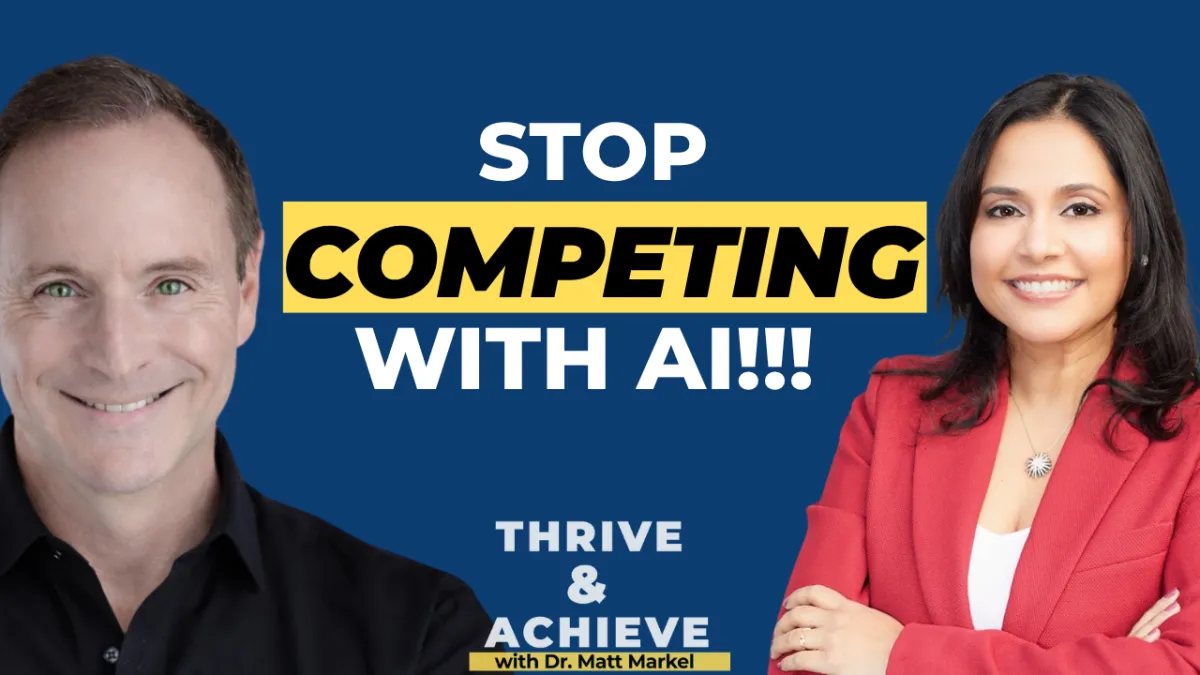
Nikki Barua is a serial entrepreneur, keynote speaker, bestselling author, and globally recognized expert on transformation. She has been named Entrepreneur of the Year by Access to Capital for Entrepreneurs, recognized among Entrepreneur's 100 Most Influential Women, and honored as one of the 21 Leaders for the 21st Century.
Nikki is the CEO and Co-Founder of FlipWork, where she helps organizations reinvent their culture, capabilities, and competitive edge for the AI age. Her work equips business leaders and professionals to navigate rapid technological change with confidence and purpose.
Key Takeaways
AI Is Transforming Careers by Changing the Value of Human Work
(03:27–15:42)
The challenge is not simply learning AI tools, but adapting how you think and work. Professionals who embrace AI through continuous experimentation and collaboration will create greater value than those who resist or merely observe.Long-Term Career Success Requires Reinvention of Identity
(06:55–40:33)
The greatest disruption AI creates is personal, not technical. Professionals who detach their identity from specific tasks, embrace a beginner's mindset, and continue building new capabilities will remain resilient as work evolves.The Future Belongs to Builders Who Amplify Human Strengths
(26:40–45:19)
As AI assumes more routine and analytical work, competitive advantage shifts toward judgment, creativity, relationships, and bold thinking. The most successful professionals will continuously develop these uniquely human strengths while pursuing ambitious, long-term goals.
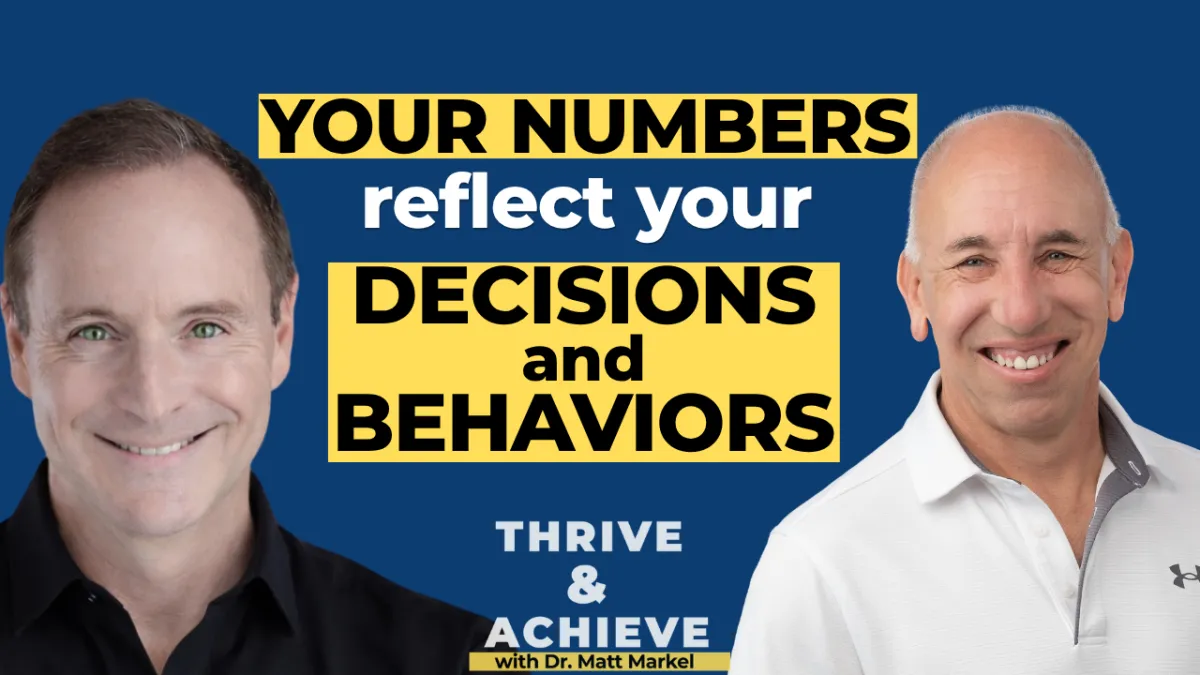
Lynn Corazzi is a former finance leader at Procter & Gamble who left corporate life to help demystify the financial challenges business owners face every day. He helps business owners take control of their finances, increase profitability, and build both long-term business value and lasting personal wealth.
Lynn brings numbers to life by drawing practical parallels between running a business and managing a family household. His approach helps entrepreneurs—and individuals alike—better understand what their financial numbers are telling them, empowering them to make more confident decisions and build a stronger financial future.
Key Takeaways
Financial Success Comes From Forward-Looking Decision Making
(02:57–20:22)
Strong financial leaders focus less on reporting the past and more on shaping the future. By protecting cash flow, evaluating decisions through a disciplined framework, and understanding that financial results reflect daily behaviors, professionals make better long-term choices.Financial Fluency Is a Career Advantage
(22:10–30:11)
Professionals who understand financial metrics, business drivers, and high-quality data create more value because they can connect their work to organizational performance and make stronger strategic decisions.Build Wealth With Intention—In Business and in Life
(45:22–56:05)
Long-term success comes from balancing business growth with personal wealth creation while making career and financial decisions that align with a clear vision of the life you want to build.
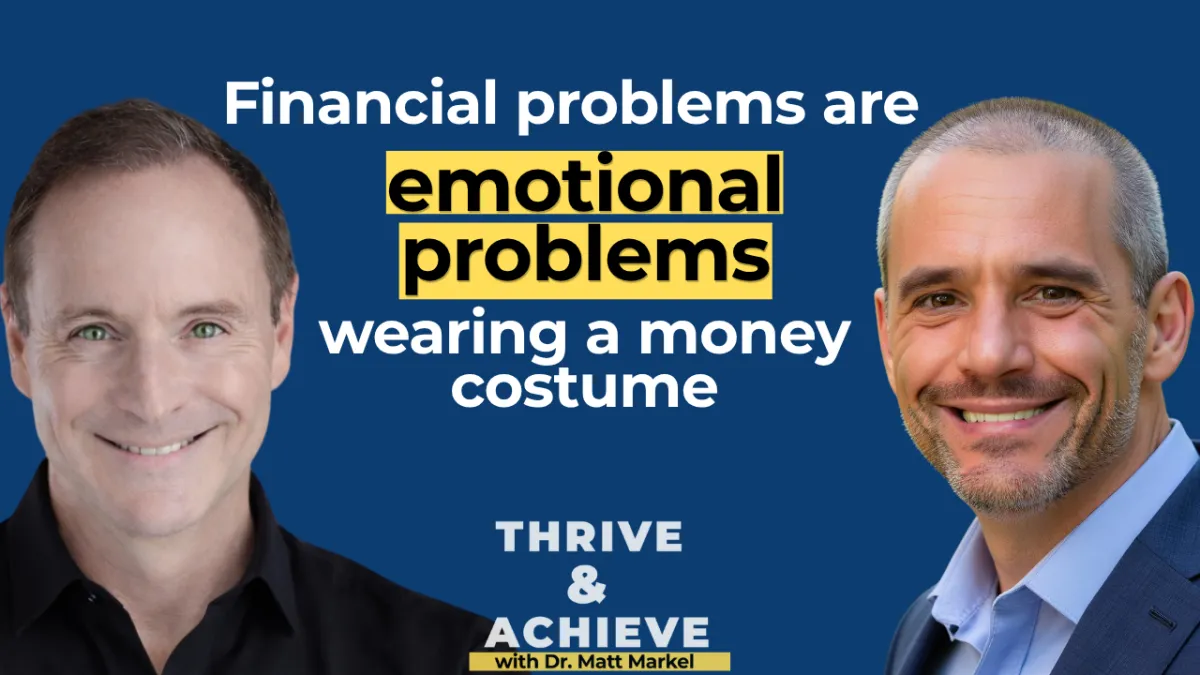
Doug Lynam is the author of From Monk to Money Manager and Taming Your Money Monster: Nine Paths to Money Mastery with the Enneagram. His TEDx talk on applying lessons from the monastery to personal finance has been viewed more than 400,000 times.
Doug's insights have been featured by CNBC, The New York Times, and other major financial publications. He currently serves as a financial advisor at Course Management Investment Advisors in Pinehurst, North Carolina, where he helps clients integrate financial strategy with behavioral insight to build lasting wealth.
Key Takeaways
Financial Success Begins With Self-Awareness
(01:31–19:30)
Money decisions are shaped more by emotion than intelligence. Lasting financial success comes from recognizing the beliefs and emotional patterns that influence behavior, then using money as a tool to support a meaningful life rather than define personal worth.Build Wealth Through Balance, Simplicity, and Long-Term Thinking
(05:25–34:59)
Strong financial foundations come from balancing earning, saving, investing, and giving while following investment strategies that match your stage of life. Consistent, disciplined habits typically outperform unnecessary complexity.Design Both Your Career and Retirement With Purpose
(25:12–39:30)
Career and financial decisions should be guided by long-term intention, not default choices. Professionals who continue learning, invest in financial literacy, and retire toward a new purpose—not away from work—create greater fulfillment and lasting wealth.
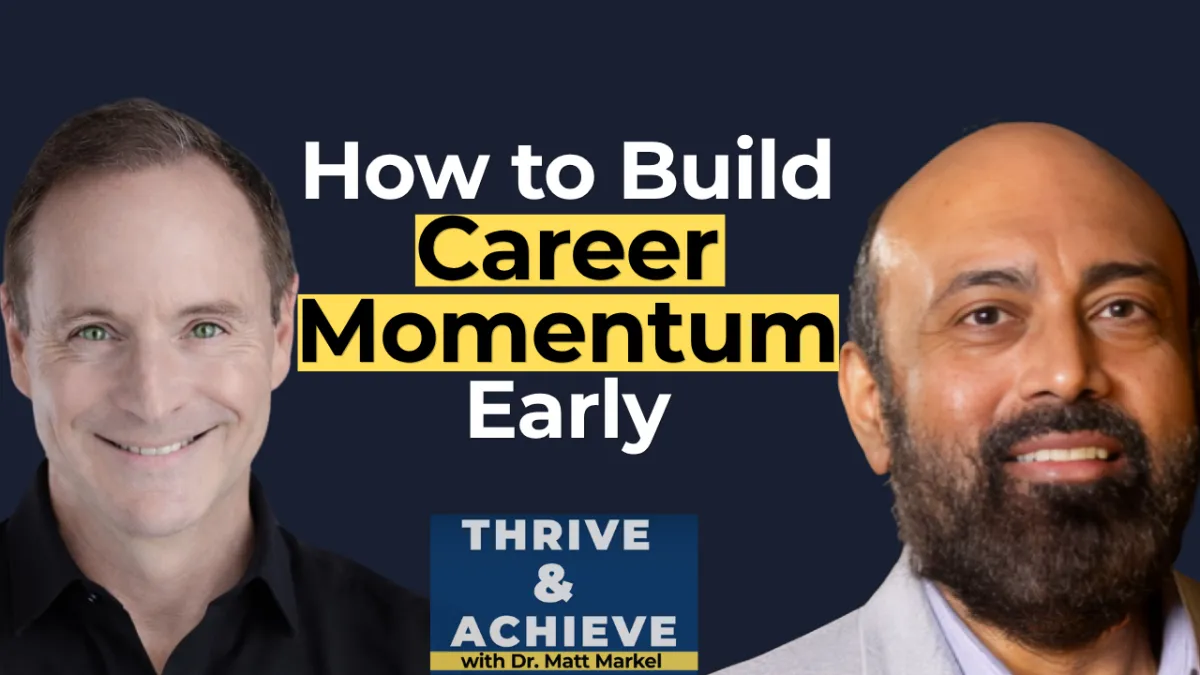
Dr. Deepak Bhootra has an extensive background in sales, strategy, and leadership development. His work is centered on helping professionals unlock their potential and build successful, fulfilling careers.
He is the founder of RISEUP at Work, an organization dedicated to helping young professionals navigate the early stages of their careers and accelerate their career progression. Through practical guidance and leadership development, Deepak equips emerging professionals with the skills and mindset needed to thrive in today's workplace.
Key Takeaways
Long-Term Career Success Comes From Intentional Growth
(33:51–50:07)
Professionals who deliberately compound their skills, build deep expertise, and earn credibility before pursuing the next opportunity create stronger careers than those who rely on experience or title changes alone.Career and Wealth Are Built Through Strategic Decisions
(50:31–59:54)
The biggest drivers of long-term financial success are the career choices made early, thoughtful positioning, effective negotiation, and the discipline to both grow income and retain more of it.Relationships and Technology Are Competitive Advantages When Used Well
(25:16–29:41; 50:31–57:13)
Understanding the pressures others face builds trust and better decisions, while AI delivers the greatest value when it strengthens human judgment, learning, and performance rather than replacing them.
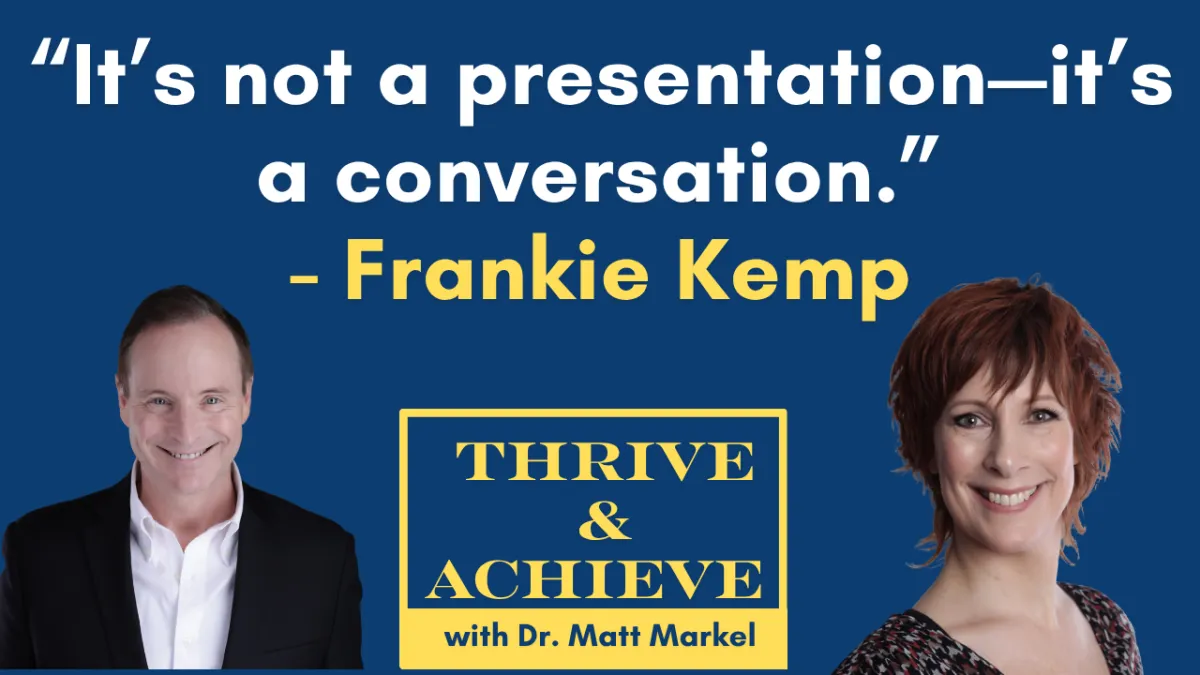
Frankie Kemp is an award-winning storyteller, actor, playwright, and communication expert who helps professionals develop the skills to speak so people want to listen. After building and selling an acting school, she moved into television as a director and scriptwriter for the Eurovision Song Contest.
Blending theatre craft, psychology, and business savvy, Frankie helps technical specialists communicate with greater clarity, confidence, and impact. Her book, Technical Experts Become Powerful Presenters, has been downloaded more than 100,000 times, and her training has helped thousands of clients around the world become more compelling and influential presenters.
Key Takeaways
Great Communication Starts With the Audience
(02:07–12:46)
The most effective communicators begin with the listener—not the content. When every message is built around what the audience needs to know, think, feel, and do, clarity, engagement, and influence naturally follow.Structure Creates Clearer, More Confident Presentations
(09:39–15:31; 32:27–41:19)
Strong presentations are built on a simple framework: define the outcome, organize key ideas, use landmarks instead of memorized scripts, and let visuals support the message rather than carry it.Leadership Is Communicating Complex Ideas Simply
(18:42–20:19; 41:52–50:02)
Professionals earn trust by replacing jargon with plain language and treating presentations as structured conversations. The ability to make complex ideas easy to understand is a hallmark of effective leadership.
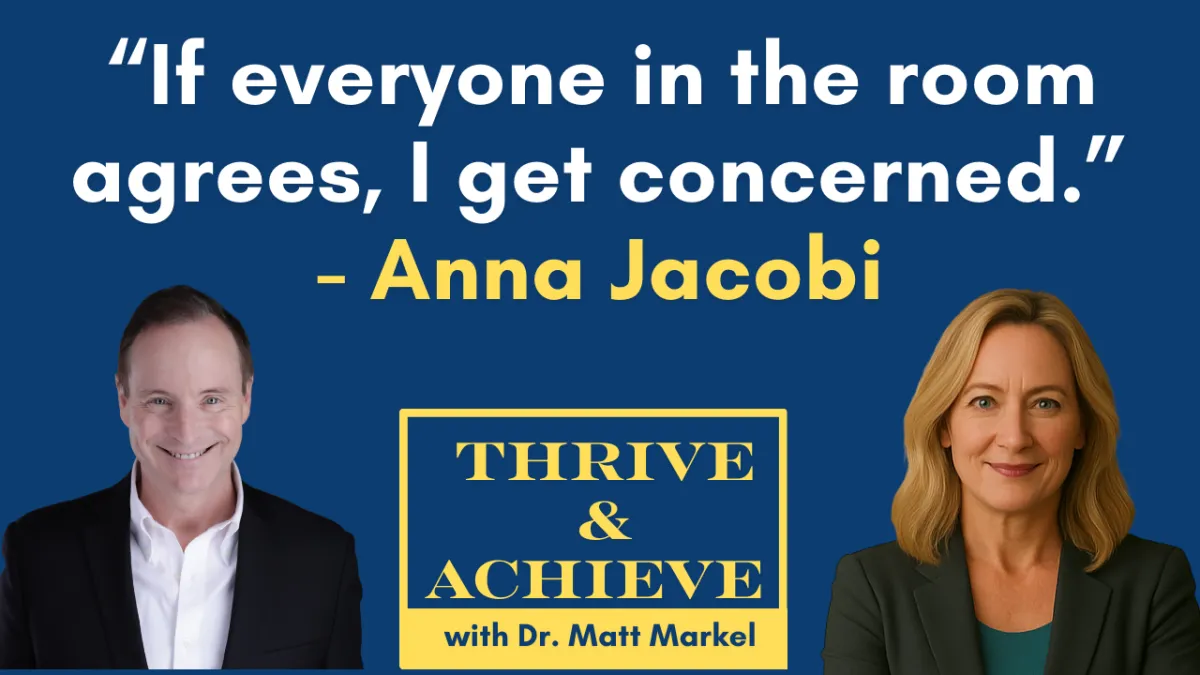
Anna Jacobi brings expansive leadership experience across mission-critical engineering, semiconductors, large-scale platforms, startups, and international NGO work. She applies product and systems thinking to complex environments where reliability, accountability, and long-term impact are essential.
She has served as a Chief Product Officer and fractional CPO, helping organizations move from zero-to-one and one-to-many by building systems that are durable, governable, and accountable at scale.
Her current work focuses on AI infrastructure, governance, and sustainability—particularly the layers above models that ensure trustworthy judgment, including observability, identity, custody, and decision integrity. Anna is known for bridging technical reality, executive decision-making, and long-term consequences in complex systems.
Key Takeaways
Strength Comes From Exposing and Fixing System Weaknesses Early
(00:00–00:54; 12:05–12:56; 07:58–09:58)
High-performing teams and products are built by openly surfacing failure points, strengthening weak links, and designing governance and security into the system from the start.Modern Leadership Requires Systems Thinking Under Uncertainty
(02:24–03:55; 07:58–10:35; 14:37–17:30; 19:58–23:07)
Effective leaders translate complexity into clear decisions, account for downstream consequences, and manage probabilistic systems—especially in AI-driven environments.Durability, Not Visibility, Defines Long-Term Success
(04:28–05:55; 29:25–30:15; 33:47–34:18)
Sustainable careers and products prioritize resilience, clear thinking, and risk diversification so impact endures beyond titles, hype, or short-term performance.
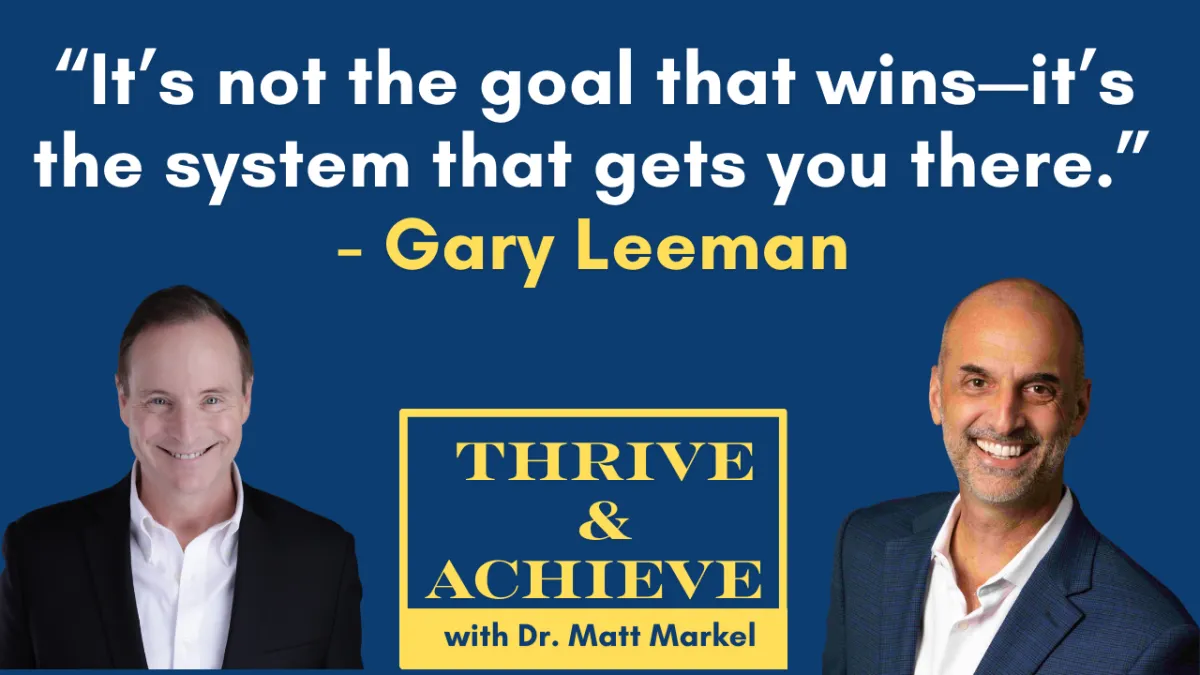
Gary Leeman is an engineer and operator at heart with deep experience helping leadership teams build strong, scalable organizations. He is a master of the Entrepreneurial Operating System (EOS), a proven set of concepts and tools that helps entrepreneurs become better leaders and run more effective companies.
As a Professional EOS Implementer, Gary helps growth-minded leadership teams stop chasing problems and start running a business that runs itself.
Before becoming a full-time coach, he served as a Chief Operating Officer, where he implemented EOS in 2017, built a successful company, and exited in 2021. He began full-time EOS implementation in 2022, bringing real-world operating experience to every engagement.
Key Takeaways
Relentless Focus Is the Foundation of Execution
(20:46–23:19; 23:42–25:05; 37:00–37:46)
Organizations make real progress by narrowing priorities, eliminating multitasking, and choosing simple approaches that teams can sustain under pressure.Solve Root Problems With Systems, Not Temporary Fixes
(26:02–30:10; 26:57–29:39; 44:52–47:24)
Lasting results come from identifying true constraints, designing mechanisms that prevent recurrence, and building systems that consistently convert goals into outcomes.Translate Vision and Ownership Into Disciplined Action
(14:53–16:13; 39:43–42:56; 37:00–38:10)
High-performing organizations connect long-term vision to near-term priorities and use shared ownership to deepen commitment, align careers, and sustain growth.
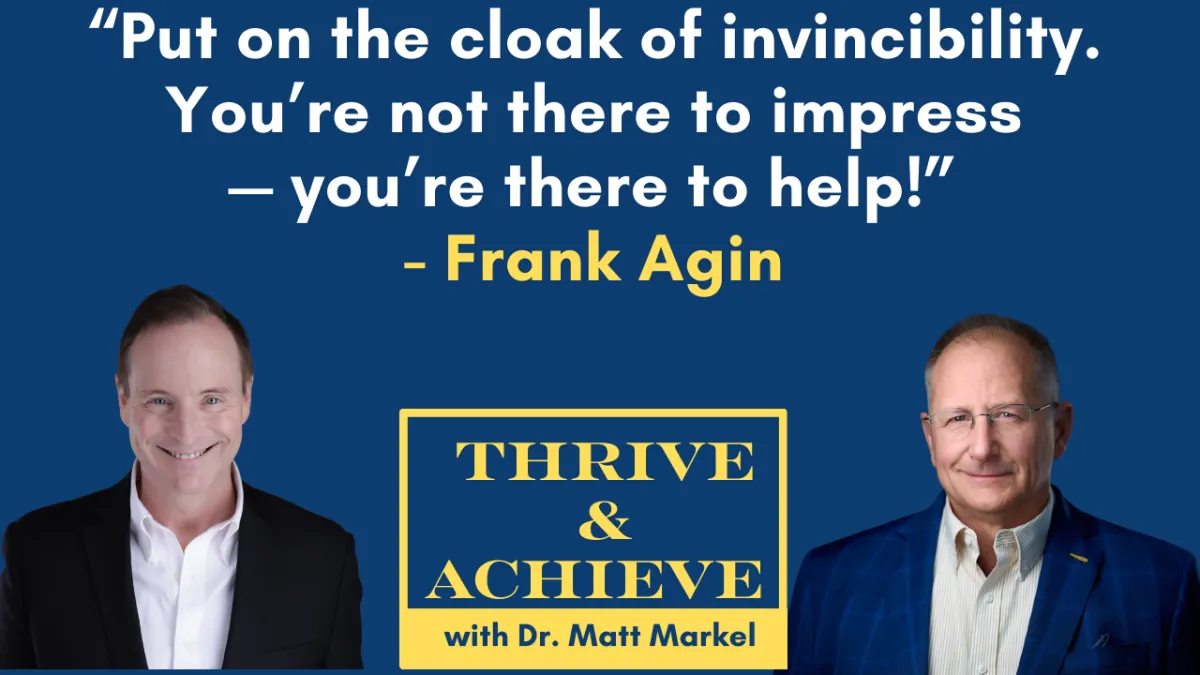
Frank Agin is the founder of AmSpirit Business Connections and a lifelong student and mentor of professional relationships and networking. He has built a career around helping professionals and business owners cultivate meaningful connections that drive opportunity and long-term success.
Frank brings practical insight for everyone from professionals attending conferences to business owners participating in networking events. Through both virtual and in-person communities, he teaches that strategic relationship-building is not accidental—it is intentional, disciplined, and foundational to sustainable growth.
Key Takeaways
Service-First Networking Reframes Fear Into Power
(00:00–00:26; 15:38–17:43)
Approach every interaction with the intent to help, not extract; when you enter as a contributor, anxiety diminishes and trust becomes easier to build.Trust Is the Currency—Small Talk Is the Entry Point
(23:29–25:20; 28:18–29:58)
Light conversation and genuine curiosity are not trivial—they accelerate trust, which is the prerequisite for referrals, influence, and long-term opportunity.Relationships Compound When You Show Up and Follow Up
(32:10–33:14; 33:26–35:16; 46:03–46:41)
Meet a few people well, track and nurture those relationships consistently, and create ongoing touchpoints; disciplined follow-through turns casual encounters into durable professional leverage.
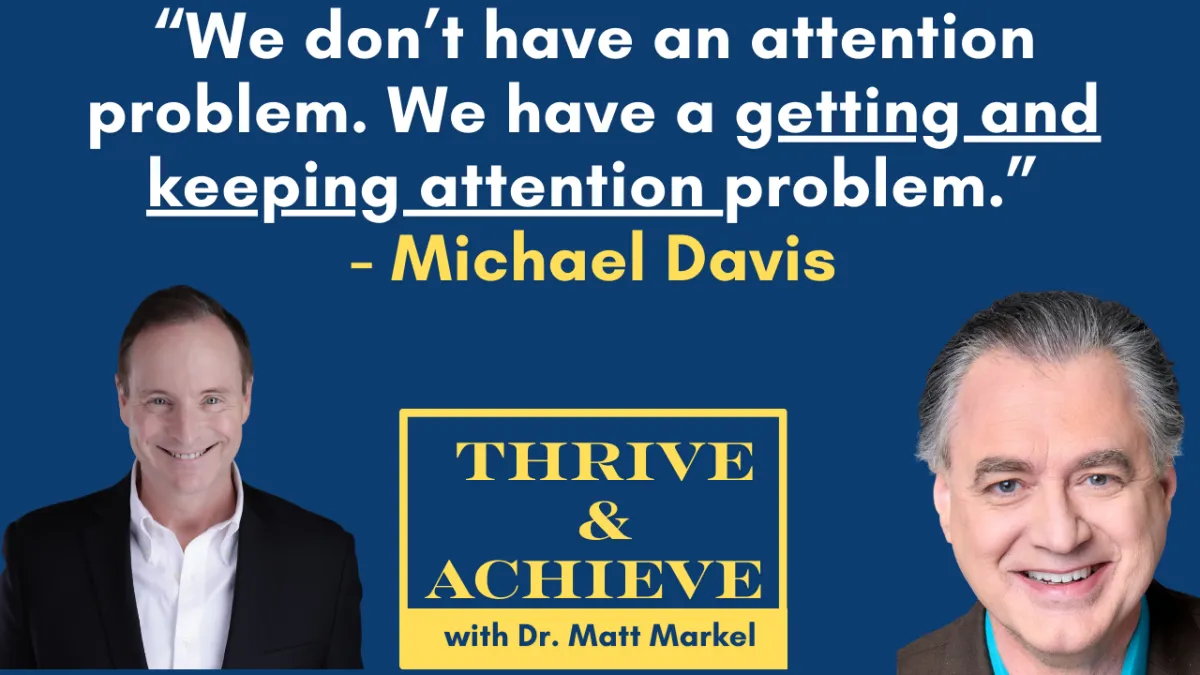
Michael Davis empowers speakers, leaders, and professionals to enhance their influence through impactful presentations and storytelling. He is a highly respected speaker, trainer, and coach who has helped professionals across five continents develop presentations viewed more than five million times.
Michael is the founder of Speaking CPR and the author of seven books, bringing practical insight and proven frameworks to help communicators connect, persuade, and lead with clarity and confidence.
Key Takeaways
Story Is Structure, Not Talent
(12:38–16:58)
Impactful communication follows a repeatable pattern—And, But, So—where context is brief, conflict creates attention, and resolution delivers transformation; professionals who master structure consistently outperform those who rely on information alone.Influence Comes From Clarity and Restraint
(22:37–25:22)
Lead with the decision you want, support it with a focused narrative, and stop answering unasked questions; overloading with data signals insecurity, while disciplined simplicity earns trust and action.Your Internal Story Determines Your External Results
(30:50–33:44)
Preparation improves delivery, but long-term performance is shaped by the story you tell yourself; unresolved limiting beliefs quietly cap careers until they are identified, reframed, and replaced with deliberate proof.
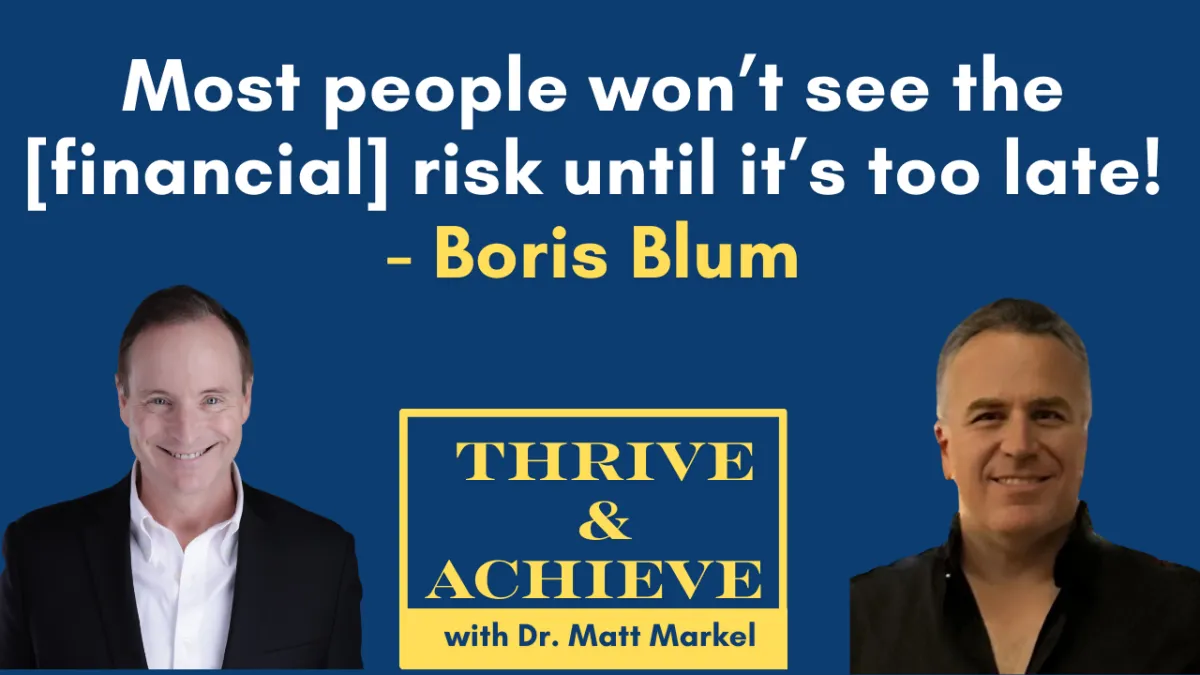
Boris Blum brings together deep business and investment experience developed over more than 25 years working with successful entrepreneurs, ultra-high-net-worth families, and high-performing leadership teams.
He is an entrepreneur, turnaround expert, and investor with extensive in-the-trenches experience in wealth management and asset protection, business management, and succession planning.
Boris also specializes in personal performance optimization for high achievers, helping leaders align financial strategy, operational discipline, and long-term resilience to sustain success across generations.
Pt. 2 - Key Takeaways
Financial Independence Requires Clear Targets and Diversified Income
(00:43–02:40; 02:40–03:31; 18:30–21:23)
Most people confuse “generational wealth” with basic security—true independence starts with clarity of purpose, multiple non-work income streams, and sufficient liquidity to preserve flexibility.
Wealth Is Built Through Ongoing Discipline, Not Static Plans
(03:39–05:15; 07:08–08:43; 10:44–12:04; 12:42–15:18)
Sustainable financial success depends on continuous learning, unbiased planning, and adaptive asset allocation that reflects changing market realities rather than outdated assumptions.
Protecting the Downside Is the Foundation of Long-Term Compounding
(16:46–18:30; 23:09–28:11; 40:11–42:09)
Durable wealth comes from structuring money by purpose, managing systemic risk, and prioritizing downside protection so growth can compound without catastrophic setbacks.
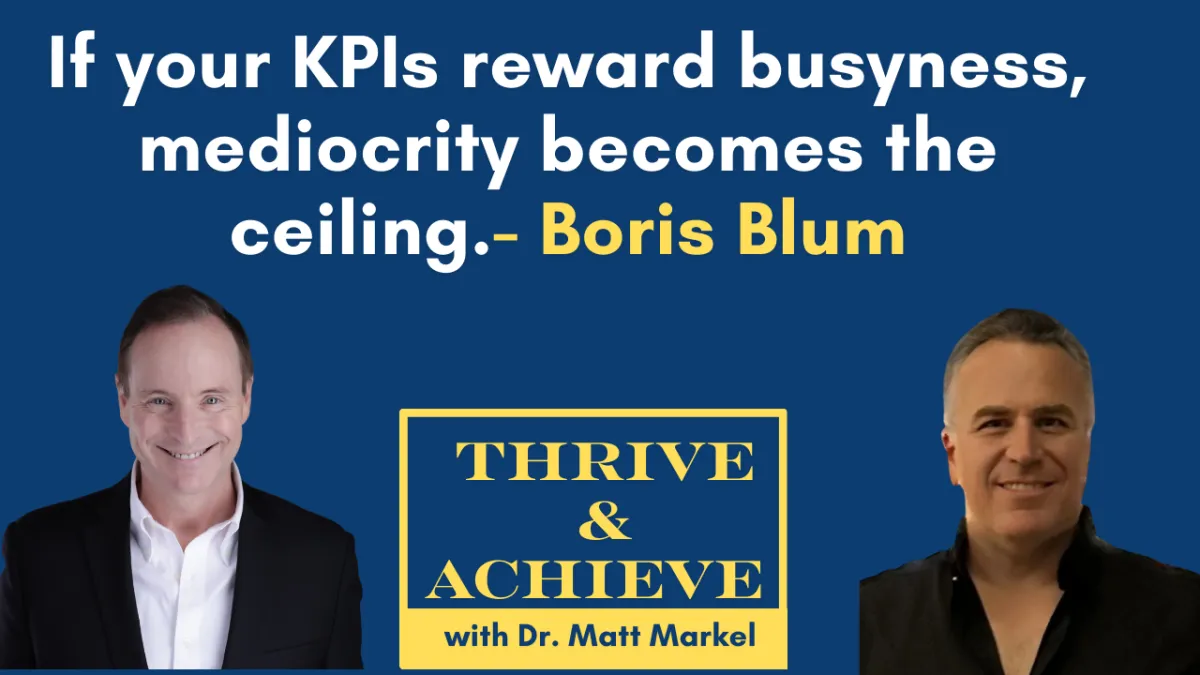
Boris Blum brings together deep business and investment experience developed over more than 25 years working with successful entrepreneurs, ultra-high-net-worth families, and high-performing leadership teams.
He is an entrepreneur, turnaround expert, and investor with extensive in-the-trenches experience in wealth management and asset protection, business management, and succession planning.
Boris also specializes in personal performance optimization for high achievers, helping leaders align financial strategy, operational discipline, and long-term resilience to sustain success across generations.
Pt. 1 - Key Takeaways
Sustained Success Comes From Discipline-Driven Execution
(00:00–00:45; 09:06–12:02; 12:58–16:20; 20:00–22:45)
High performers and leaders win through consistent discipline, clear principles, and practical execution systems that turn decisions into reliable results.
Align Your Career With Meaningful Problem-Solving, Not Incentives
(01:45–06:12; 06:32–08:04)
Long-term fulfillment and impact come from choosing roles that prioritize real value creation and knowing when to exit environments that undermine purpose and effectiveness.
Focus and Measurement Determine Whether Growth Compounds or Stalls
(17:43–19:59; 23:25–27:23)
Progress accelerates when priorities are clearly defined and supported by strong metrics and frameworks that filter noise, guide action, and sustain momentum.
Susan Filan is a former prosecutor and the Senior Legal Analyst for MSNBC. She has prosecuted cold-case murders, defended a client on death row, and challenged powerful interests when the stakes were highest. Her career reflects a deep commitment to justice, resilience, and ethical leadership.
After a near-fatal accident became a profound turning point in her life, Susan experienced a powerful personal and professional transformation.
Today, she blends legal grit, neuroscience, and spiritual insight as an inspiring keynote speaker and life strategist, helping others find purpose, strength, and connection through adversity.
Key Takeaways
True Success Is Inner Alignment, Not External Achievement
(00:00–01:32; 06:27–12:37; 42:45–43:04)
Identity and fulfillment come from relationships, peace, and meaning rather than titles, money, or accomplishments.
Emotional Awareness and Daily Practices Shape Life Experience
(14:18–18:07; 33:41–35:31; 35:46–37:15)
The internal state you repeatedly choose becomes your lived reality; breath, intuition, and courage in the face of fear guide alignment and growth.
Sustainable Performance Requires Integration, Not Self-Abandonment
(23:39–26:38; 38:34–41:02)
Burnout often signals misalignment rather than lack of effort—lasting success comes from integrating purpose, intuition, and contribution without sacrificing yourself.
Jesseca Lane is an award-winning marketing and leadership executive with more than 20 years of experience building and scaling global lifestyle, finance, and technology brands.
Her work includes leadership roles with Fortune 500 companies such as Porsche, Visa, MillerCoors, and Anheuser-Busch, as well as high-growth startups, guiding organizations to IPO exits and unicorn status.
She has coached and consulted across multiple industries, with a consistent focus on aligning strategy with purpose, people, and performance. With psychology as a core element of her leadership approach, Jesseca returned to school in 2024 to pursue a Master’s in Clinical Psychology at Pepperdine University.
She is the founder of The Full Cup Co., launched to advance her mission of making work happier, healthier, and more purpose-driven for individuals and organizations alike.
Key Takeaways
Design Your Career Around Learning, Not Labels
(13:36–15:10; 21:23–25:05; 25:05–26:39)
Long-term advantage comes from prioritizing real experience over status, questioning inherited career rules, and acting without being constrained by fear of judgment.
Use Transitions and Setbacks to Compound, Not Reset, Your Value
(18:11–20:42)
Career pivots are most powerful when they build on past capabilities—treating change as additive ensures hard-earned skills remain the foundation for future growth.
Healthy Leadership Systems Matter More Than Individual Resilience
(27:21–31:04; 28:41–31:04; 31:14–32:35)
Performance and well-being depend heavily on manager quality and workplace design; burnout is often a systems problem that requires structural, not just personal, solutions.
Wade Reed helps people build true wealth. With more than 20 years of experience, he coaches families and small business owners across the country to clean up and elevate their personal and business finances.
His work creates financial clarity, confidence, and peace of mind—often saving clients hundreds of thousands of dollars in the process.
Over the past two decades, Wade has worked with more than 1,000 clients, helping them free up a combined total of more than $8.3 million per year in cash flow. Known for his sharp insight and genuine desire to help others, he focuses on building practical systems that create long-term financial strength.
Key Takeaways
Control Cash Flow First—Wealth Is Built Through Systems, Not Willpower
(00:00–00:59; 23:54–24:49; 26:06–29:29; 31:09–32:03)
Financial progress begins by restructuring the order of operations—capturing income into savings first, holding lifestyle steady, and creating clarity so behavior aligns automatically with long-term goals.
Optimize for Cash Flow, Liquidity, and Emotional Stability
(34:00–36:11; 36:11–37:29; 38:05–48:51)
True financial strength comes from freeing monthly capacity, protecting control and liquidity, and converting surplus into a disciplined compounding base rather than chasing returns reactively.
Define Wealth Beyond Money and Align It With Purpose
(19:26–20:33; 20:33–22:19)
Income and net worth are receipts for value created, not the destination—financial systems should reinforce physical, mental, spiritual, and relational well-being to create “true wealth.”
Travis Griffith is an absolute rock star in the people and human resources profession. He has held leadership positions at Viacom, Turner Broadcasting System, and Azubu, a pioneer in the game streaming industry.
He previously served as Vice President of People and Operations at Spartan Radar.
Travis truly understands people, culture, and the tricky business of human resources. He brings creativity, compassion, and an incredible ability to get things done, offering a refreshing, people-centered approach beyond traditional compliance-driven HR.
Key Takeaways
Career Growth Comes From Choosing Discomfort and High-Impact Exposure
(05:35–09:13; 10:18–11:36; 12:39–13:09; 22:10–27:08)
Long-term career acceleration is driven by intentionally taking on challenging roles, learning from difficult experiences, and seeking visibility through meaningful projects rather than staying comfortable.Modern Work Requires Intentional Design and Human-Centered Leadership
(13:41–16:11; 19:16–20:16; 22:10–27:08; 32:23–35:37)
Effective organizations balance remote and in-person work, prioritize mentorship and feedback, and build cultures of shared accountability and transparent growth pathways.Employee Stability and Development Drive Performance and Retention
(37:56–40:58; 41:04–47:29)
Sustainable workplace success depends on fair compensation, personalized development, and financial education that reduces stress and enables employees to perform at their best.
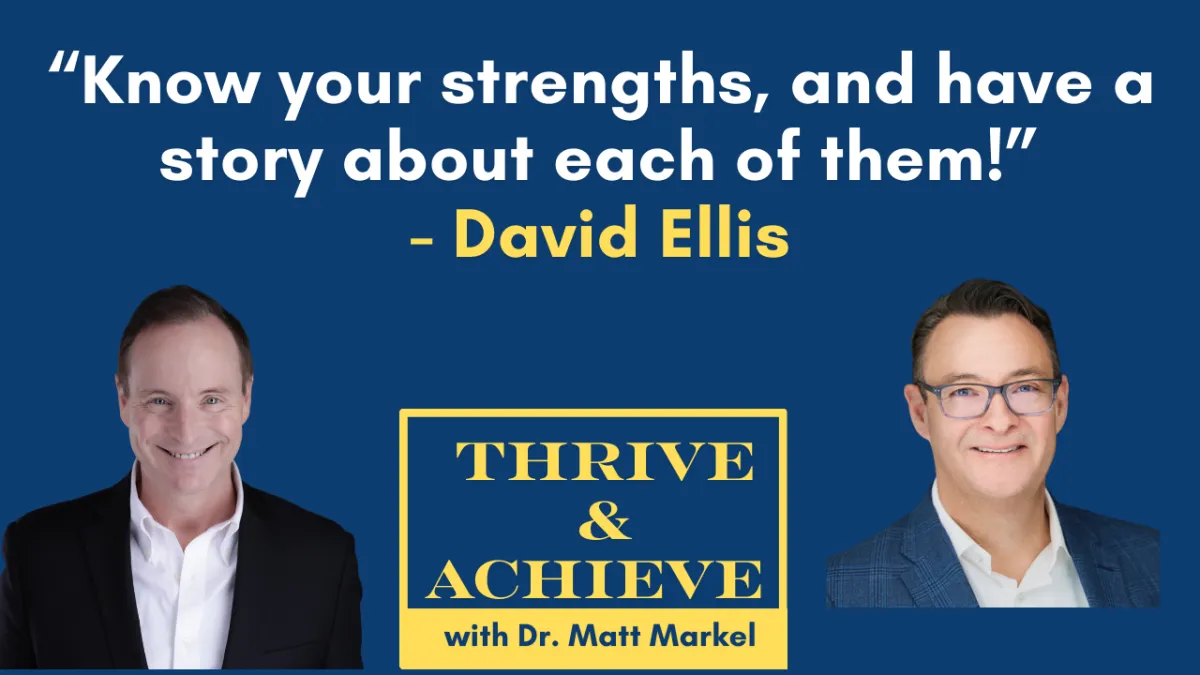
David Ellis has a broad background in economic development, business development, marketing, and sales in both the public and private sectors. He is a certified economic developer with more than 20 years of experience.
He has served as Executive Director of Economic Development for the City of Van Alstyne, Assistant Director at Allen Economic Development, and Director at Plano Economic Development, where he focused on the recruitment of corporate offices and technology manufacturers.
He has also worked in economic development consulting in Austin and with the Site Selection Group in Dallas.
Earlier in his career, David worked in outplacement consulting, helping displaced employees across multiple states transition to new careers. He is a graduate of Trinity University in San Antonio and holds an MBA from the Thunderbird School of Global Management in Arizona.
Originally from Oklahoma City, David now lives in Plano with his wife and two children and is currently developing his family farm in Oklahoma.
Key Takeaways
Build Your Career on Self-Awareness and Authentic Strengths
(~06:30–09:00; ~26:00–28:30; ~27:30–29:30; ~50:19–50:55)
Long-term success starts with understanding your unique value, learning to communicate your impact, and aligning career choices with your true priorities rather than external expectations.Use Relationships and Storytelling to Access Better Opportunities
(~23:00–24:30; ~31:00–32:30; ~38:30–39:40; ~42:25–46:45)
The most effective job searches and career moves are driven by authentic relationships and clear accomplishment stories, not by automated applications or superficial tactics.Treat Setbacks and Transitions as Strategic Turning Points
(~14:30–18:20; ~48:36–49:20; ~50:40–51:30; ~51:00–51:50; ~46:45–47:45)
Career disruptions, interviews, and major decisions should be approached intentionally—using reflection, service to others, and lifestyle design to create resilient, meaningful success.
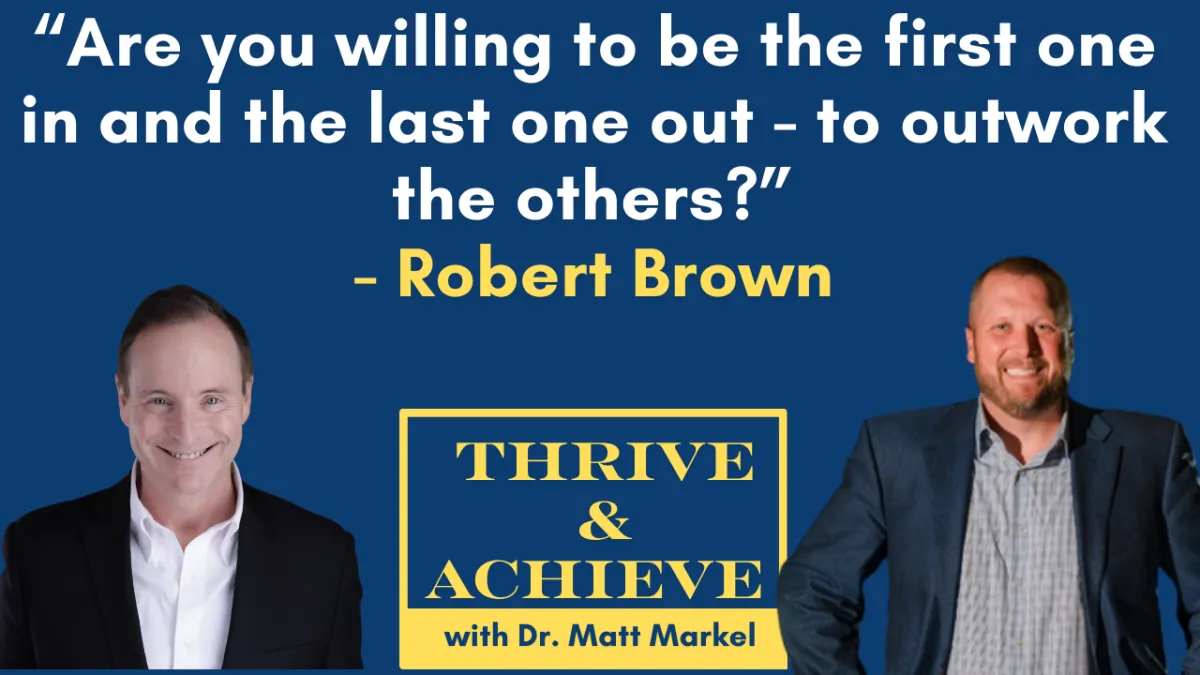
Robert Brown is at the center of autonomous trucking and currently serves as Vice President of Business Development and Partnerships at Bot Auto, where he manages partnerships with customers, OEMs, and Tier 1 suppliers.
He also serves as Chairman of the Heavy Duty Manufacturers Association – Advanced Technology Council.
Previously, Robert held multiple C-suite roles at Spartan Radar, where he focused on increasing autonomy and safety for commercial vehicles across construction, agriculture, mining, and forestry. His work advances autonomous safety standards while helping reduce trucking costs through innovation and strategic collaboration.
Key Takeaways
Take Ownership of Your Career Through Proactive Action
(00:00–01:00; 21:50–24:00; 31:21–32:40; 33:22–34:10)
Career growth requires clearly stating your goals, embracing responsibility, and consistently backing ambition with strong execution and accountability.Adaptability and Continuous Learning Create Long-Term Advantage
(02:26–05:30; 07:02–11:00; 07:40–08:50; 46:39–49:40; 46:39–51:30)
Nonlinear career paths, ongoing skill development, and the smart use of AI help professionals remain confident, relevant, and competitive in changing industries.Relationships and Financial Discipline Sustain Career Success
(11:59–15:40; 27:59–30:20; 38:08–45:30; 54:52–56:00)
Strong professional networks, leadership beyond titles, and sound financial habits provide stability and leverage throughout high-risk, high-growth careers.
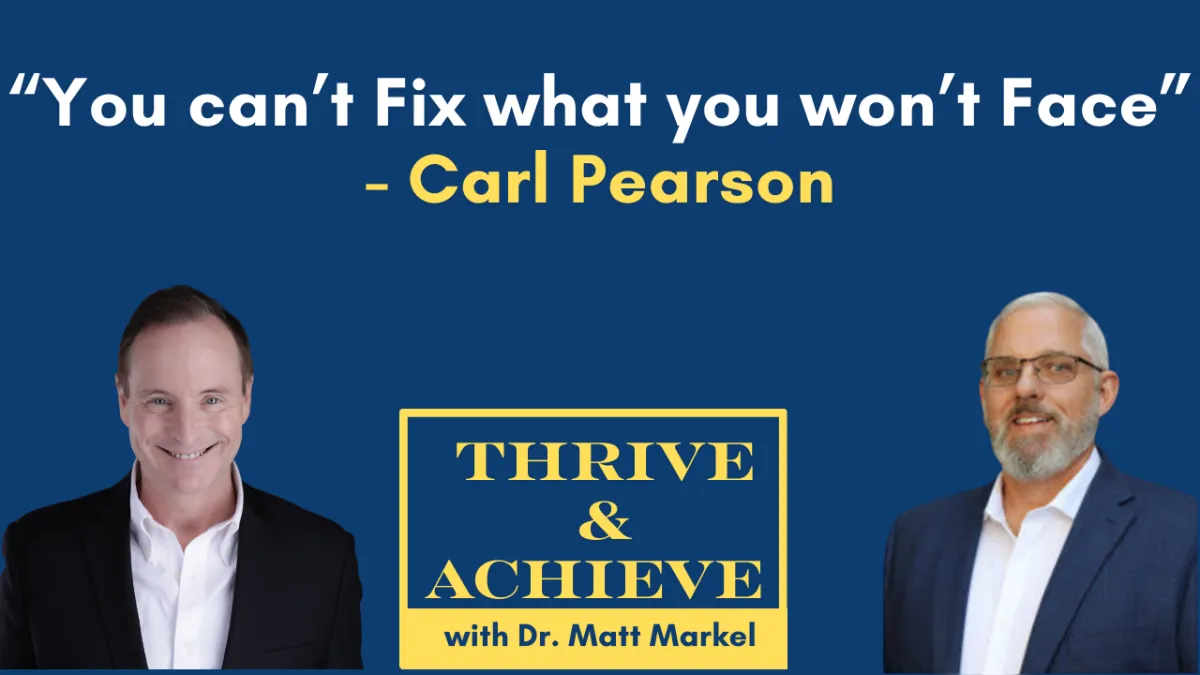
Carl Pearson has spent more than 25 years helping people live better—first as a chiropractor working with athletes at the highest levels, including the UFC and the Olympics, and now as a retirement planner at Iron Plan Solutions Group.
His financial journey began by fixing his family’s finances and deepened through extensive research in economics, markets, and risk management.
Carl specializes in turning confusion into clarity, helping individuals and families better plan for financial success and retirement.
Key Takeaways
Retirement Success Requires Strategy, Not Just Saving
(00:00–00:28; 21:12–21:44; 32:23–32:51)
Simply contributing to a 401(k) is not enough—effective retirement planning starts with financial clarity and a comprehensive, intentional strategy.Shift From Growth to Reliable Income Over Time
(06:00–08:27; 06:00–06:43; 08:35–09:00; 25:40–26:08)
As retirement approaches, investors must reduce risk and focus on dependable income by using structured “income buckets” and prioritizing capital preservation.Optimize Taxes and Investments Through Proactive Planning
(09:30–10:12; 13:32–14:35; 14:58–15:55; 19:22–20:17; 32:51–33:10)
Long-term retirement security depends on systematic investment evaluation, tax-efficient strategies, smart use of career transitions, and acting before financial problems arise.
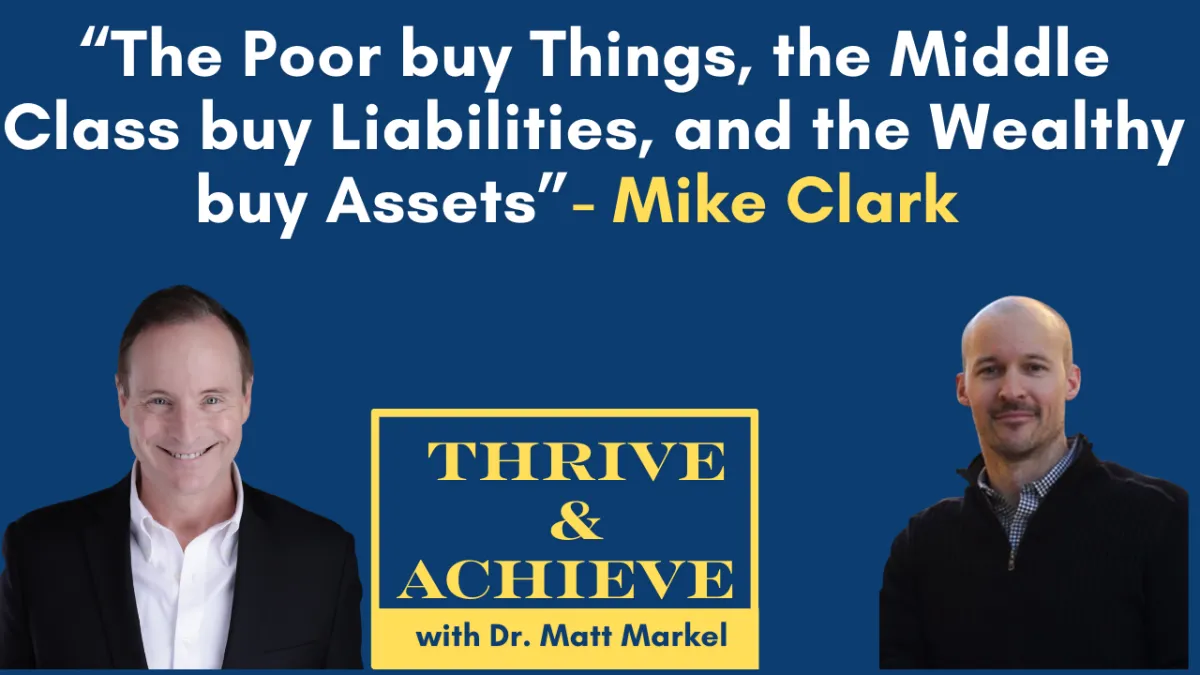
Mike Clark is a seasoned industry leader, investor, and financial advisor with a strong track record of success.
He has earned recognition for his leadership at companies such as Johnson & Johnson and has demonstrated exceptional expertise in capital raising, securing more than $42 million in funding.
Today, Mike works as a financial advisor for high net-worth individuals, where he applies his innovative “digital family office” concept to integrate wealth preservation, wealth growth, tax optimization, and estate planning. He is known for his deep industry knowledge and strategic approach to long-term financial success.
Key Takeaways
Wealth Is Built Through Intentional Asset Management
(00:00–00:41; 11:05–13:12; 21:29–23:16; 32:22–33:09)
True financial growth comes from prioritizing income-producing assets over liabilities, understanding cash flow, and managing debt, taxes, and expenses strategically rather than emotionally.Clarity and Coordination Drive Financial Success
(03:47–04:35; 05:33–06:07; 12:19–13:12; 23:57–24:33; 28:29–29:28)
Using financial tracking tools and working collaboratively with advisors (CPAs, attorneys, and planners) creates visibility, reduces costly blind spots, and leads to better long-term decisions.Financial Planning Must Align With Personal Purpose
(24:43–26:01; 38:51–39:03; 41:56–42:33; 43:38–45:55)
Sustainable wealth isn’t just about net worth—it starts with defining what “wealth” means personally and making data-driven choices that support long-term security, values, and lifestyle goals.